Optimized Logistics & Container Loading
Automate
Predict
Logistics API for Optimized Container Loading

See every step of loading, from the warehouse floor to the sealed container.

Loading is the part of the chain where things go wrong most often and are hardest to manage. A careless move can hurt a worker or damage goods. Nobody can watch every dock all day, and when cargo arrives damaged, no one can say which step caused it.

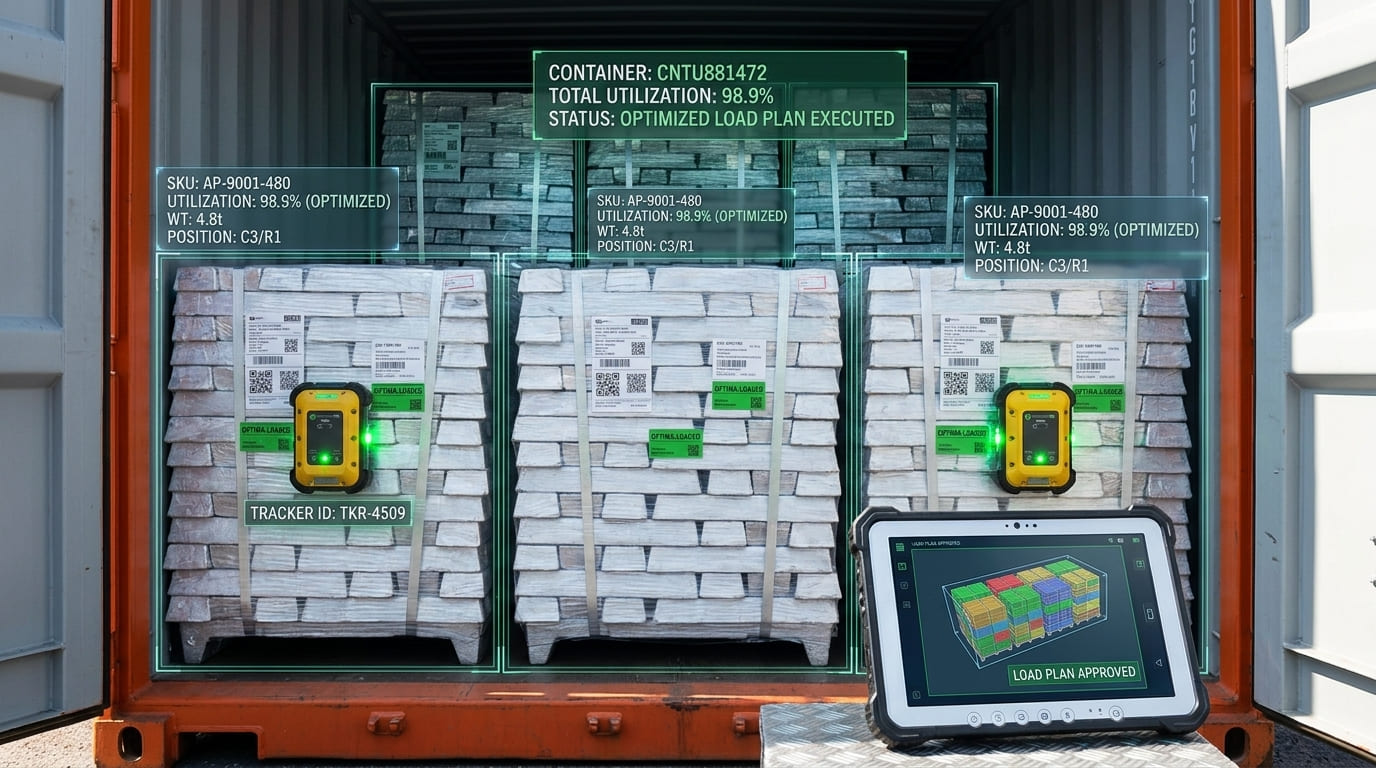
We put cameras over the work area and build a system that understands the loading steps, not just whether someone is standing there. It compares each step with your standard procedure, marks where the work went off-standard with a time stamp you can replay, and adds up how long each step takes so the real bottleneck shows up in the numbers. Buyers can get video and data updates before the container is closed and sealed.

The result: unsafe moves are flagged when they happen, delays are traced to a specific step, and damage disputes can be settled by replaying the footage. The same method has run at an offshore warehouse in a free-trade zone and at a port authority in South China.

Gallery
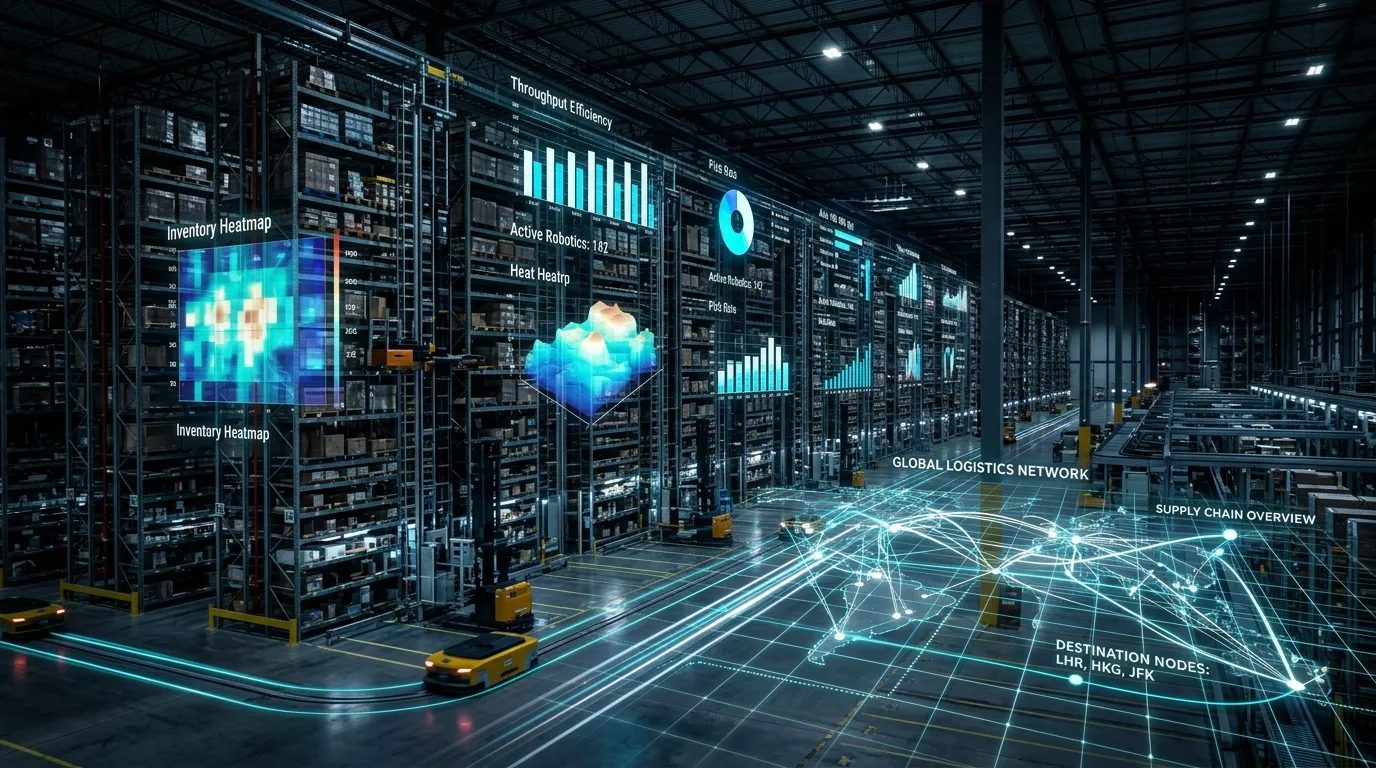
Illustration of a warehouse with data overlays showing throughput and inventory

Illustration: turning warehouse activity into data you can act on.

  • Understands the loading steps

    Recognizes the key actions and stages of loading, not just people in the frame.

  • Checks work against your procedure

    Each step is compared with your standard procedure. Off-standard steps are marked with a time stamp you can replay.

  • Finds the slow step

    Time and errors are added up per step, so the bottleneck is shown with data instead of guesswork.

  • Multi-camera, one timeline

    Cameras are calibrated and time-synced so every angle shows the same moment.

  • Updates for the buyer

    Video and data on the loading process can be shared with the buyer before the container is sealed.

  • Works with your records

    Loading data can be joined with records you already keep, such as spreadsheets and databases.

  • Tracks actions, not identities

    By default there is no face recognition and no staff identity database. If a site needs to link events to named staff, the site keeps that part and its legal duties.

  • Run on real sites

    Deployed at an offshore free-trade-zone warehouse and at a port authority in South China, not only in a demo.

  • Helps with training too

    New workers can see their own steps compared with the standard, which is faster than verbal teaching.

  • Fits other sites with set procedures

    The same method fits bonded warehouses, distribution centres, factory floors and building sites: anywhere there is a standard procedure that today only a person can watch.

Ready to Get Started?

Contact us to discuss your specific needs and learn how we can help transform your business.